Is Stock Photography Worth Doing In 2026?

Is submitting stock photography and video worth it going in to 2026? I started uploading to stock media sites such as Shutterstock, iStock/Getty and Adobe Stock since 2019. In the last few years I have seen a sharp decrease in revenue from Shutterstock but an increase in sales from Adobe Stock.
Shutterstock for many years was the platform that was providing me with a decent level of revenue. Definitely not enough to live on but it was ok as a side hustle or second income. Then in 2020 Shutterstock made big changes to its contributor agreement meaning that loyal photographers and media/graphic artists were likely to see their royalties decrease over time.
- Annual reset: The earnings levels now reset on January 1st each year, meaning contributors start at the lowest tier (Level 1) again, regardless of their past performance
- Percentage-based earnings: Contributors now earn a percentage of the sale price, with rates ranging from 15% to 40% based on their annual download volume
- Lower earnings per download: The new model has resulted in lower payouts per download for many contributors, especially those on subscription plans, though a minimum payout of $0.10 is guaranteed per download
As a result many contributors started to pull their content from Shutterstock and concentrate on other platforms.
The rise of AI over the last few years has also affected stock media sales and therefore royalties to contributors have started to decrease even further. On Shutterstock there is an AI image generator and also an AI design assistant. That has surely affected actual photo sales from their stock library. Shutterstock charges a monthly fee for set amount of image generation. Or an unlimited subscription for only $104 a month. That doesn’t seem like a lot to me.
What we are being told as contributors is that if our content that is available on their platform is used for AI generated imagery we will be compensated. It’s something known as data licensing.
A data license is a formal agreement that communicates to users what they can and cannot do with a dataset. Shutterstock’s data licensing is for images and their metadata used to train AI and computer vision systems.
So the content we’re uploading to stock media sites is basically using our work to train algorithms and ultimately produce AI generated content through their platforms.
There are several things to also consider:
- Not for portfolio: Images exclusively approved for data licensing are not available for customers to buy on the main Shutterstock site and won’t appear in your public portfolio
- Quality standards: Some images are deemed suitable for data licensing but not of the high artistic or technical quality required for the commercial marketplace
- Earnings: Contributors can earn revenue from data licensing, which appears in a separate “Contributor fund” column in their earnings summary
With Shutterstock I have started to notice extra royalties within my account relating to data licensing. This has actually managed to steady the otherwise ‘sinking ship’ of Stock Media.
The Shutterstock Contributor Fund, which may show up on your earning summary within your contributor account dashboard is basically royalty payments for training and generating AI continue with your stock media. When a customer licenses a dataset for AI training, Shutterstock pools the revenue and pays a portion to the contributors whose content was used in that dataset.
Payments for data licensing are generally paid out quarterly on Shutterstock and, I’ll be honest, it can be quite a pleasant surprise to see that extra money land in to your account, it certainly helps to boost your earnings, and it also proves that contributors are being compensated for the use of the imagery whiten AI algorithms.
Shutterstock Unlimited Fair Usage Policy
The Shutterstock Unlimited plan allows customers access to a large amount of content for a low monthly cost. In order to be able to fairly pay Contributors for your use of their original Content, the subscription terms for the Unlimited plan include this Fair Usage Policy.
- Only use an Item if you have a valid and live Unlimited subscription and have registered each Item for use.
- You must only download Content when you have the intention to use it.
- You may not download Content to stockpile or save for later use.
This new unlimited download has had an impact on overall sales and I think has probably hit quite a lot of contributors quite hard as subscribers can now gain access to a lot of content at a far lower monthly cost.
I have seen an almost year on year decline of royalty payments from stock media since 2023. There’s always some dips in sales throughout the year depending on the type of content you have and where in the world it’s performing well.
However, as you can see from these graphs there was a big jump in royalties from 2021 to 2023 and then a sudden drop almost dragging royalty payments back to somewhere between 2020 and 2021, which is difficult to comprehend considering the amount of time spent editing, writing descriptions and metadata and uploading the files.
Now I haven’t disclosed my actual earnings but some months between 2021 and 2023 the payments were actually really good, still not enough to live on, but a nice extra source of income.
I kind of feel like I’m now scraping by with Shutterstock to a certain extent. They have drastically remodelled their subscription plans which in turn has completely changed the business of stock media, affecting thousands of contributors, who are now being paid as little as 10c for an image download.
Sales on Adobe Stock on the other hand has increased steadily, compensating for my decrease of royalty payments from Shutterstock. So Adobe Stock not exactly making me rich but again nice to have an extra source of income.
iStock/Getty is another stock library that I contribute to and since 2023 there has also been a gradual decline in sales.
The type of stock content and media that you create could certainly have an impact on your level of royalties. The majority of my content is related to travel and tourism. There is a lot of editorial and documentary style content capturing and documenting the world around me as I see it. I don’t do a lot of graphics, vectors, icons and still life photography.
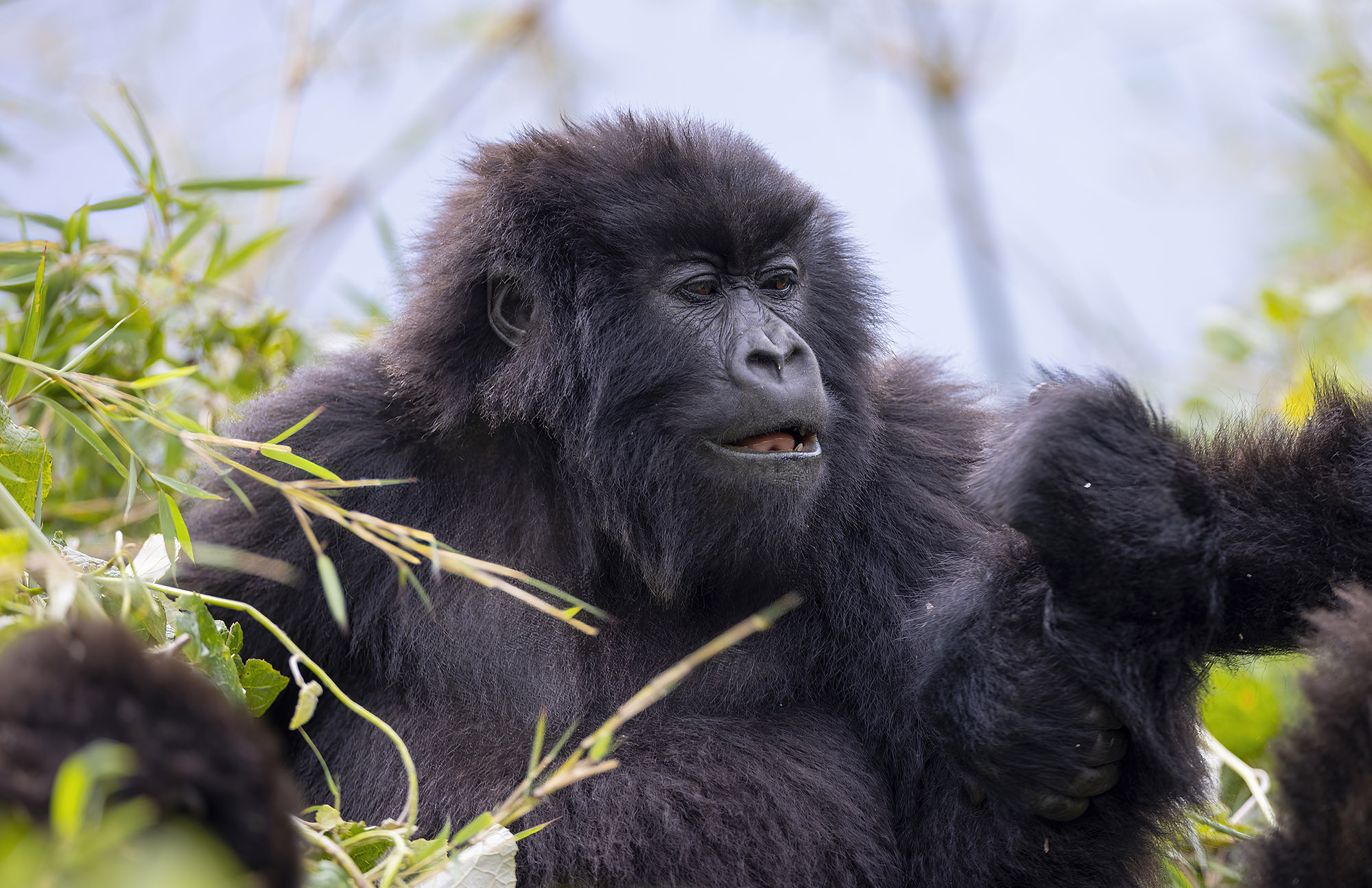
I also do quite a bit of drone and aerial photography and video. There is quite a bit of wildlife content in my portfolio as well as landmarks, cityscapes, Timelapse video but mostly travel and tourism related content.
I spent 7 years living in Saudi Arabia just at the time when the country was beginning to change and their tourism sector was opening up to western travel. I travelled around the country capturing some of their iconic landmarks and scenic areas. That meant that quite a lot of my photos and videos were being downloaded from stock media sites. That type of content for a country that was very difficult to travel to for so many years was obviously in demand because of the lack of media saturation.
Now that the country has opened but quite extensively, there are now more people travelling there and therefore, submitting mote content to stock media sites. This may have had an impact on my overall sales as media content from Saudi Arabia gradually becomes more saturated. It’s difficult to say. The decline in royalties is most likely a combination of the use of AI tools, a change in subscription business models and an increase in media saturation.
Now, going back to the original question – Is stock photography worth it going in to 2026?
Well the answer is probably no if it’s going to be a way of making a full time income. It’s difficult to know what your royalty payments will be month to month so based on that it really has to be considered a side-hustle or 2nd or even 3rd income stream. I have a portfolio of almost 18,000 images and over 5,000 video files available on shutterstock and my rate of royalty payments is now decreasing over time. Having said that I just had my best November ever on Shutterstock and my second bets October, so this may be the start of an upward trend of stock media use with AI integration.
It’s difficult to say if stock media is a good source of extra income because it’s a lot of work to edit, write description and keywords etc and then upload the files across multiple platforms. If you have a lot of spare time and have a huge portfolio of really good quality images and video files then why not get them off your hard drives and put them out on to stock media sites, to make a bit of extra money.
If you have a very niche subject or have created a certain style, genre or crafted something that is really unique and unusual then I would definitely stay away from stock media as you’ll be far better off trying to sell that type of content independently as you’ll most likely be able to sell that content at a much better rate.
If you’re living in a western country the overall cost of living will be extremely high so trying to make a living from stock media will be very difficult.
But it also depends on the type of stock media you’re creating.If it’s editorial or documentary style content then you may find thats an area that is still very much in demand as AI algorithms can’t really replicate real world, news worthy and sports events taking place daily.
If your stock media is more illustrative and graphical then it’s possible that AI will probably replace this in the longer term. The person who thought it was a good idea to place 50 icons in a single file was really the beginning of the downfall when it comes to stock vector artwork. AI has simply compounded the misery.
It’s also worth considering that AI generated content is now here to stay and all major stock media platforms have integrated their stock portfolio for data licensing designed to train AI algorithms, which allows their subscribers to generate their own imagery.
These AI algorithms that are now producing digital content need to be constantly fed new information in the form of stock media. Generative AI is a major disruptor, both posing a challenge due to ethical questions about authenticity and copyright. Media companies are increasingly integrating AI into their workflows to improve efficiency and create new revenue streams.
So based on that stock media contributors aren’t quite redundant just yet. According to several sources the stock media industry is predicted to grow, however the nature of the demand changing.
Hopefully some of this information regarding contributing to stock media sites has been of some use.